-
The SKIN exhibition
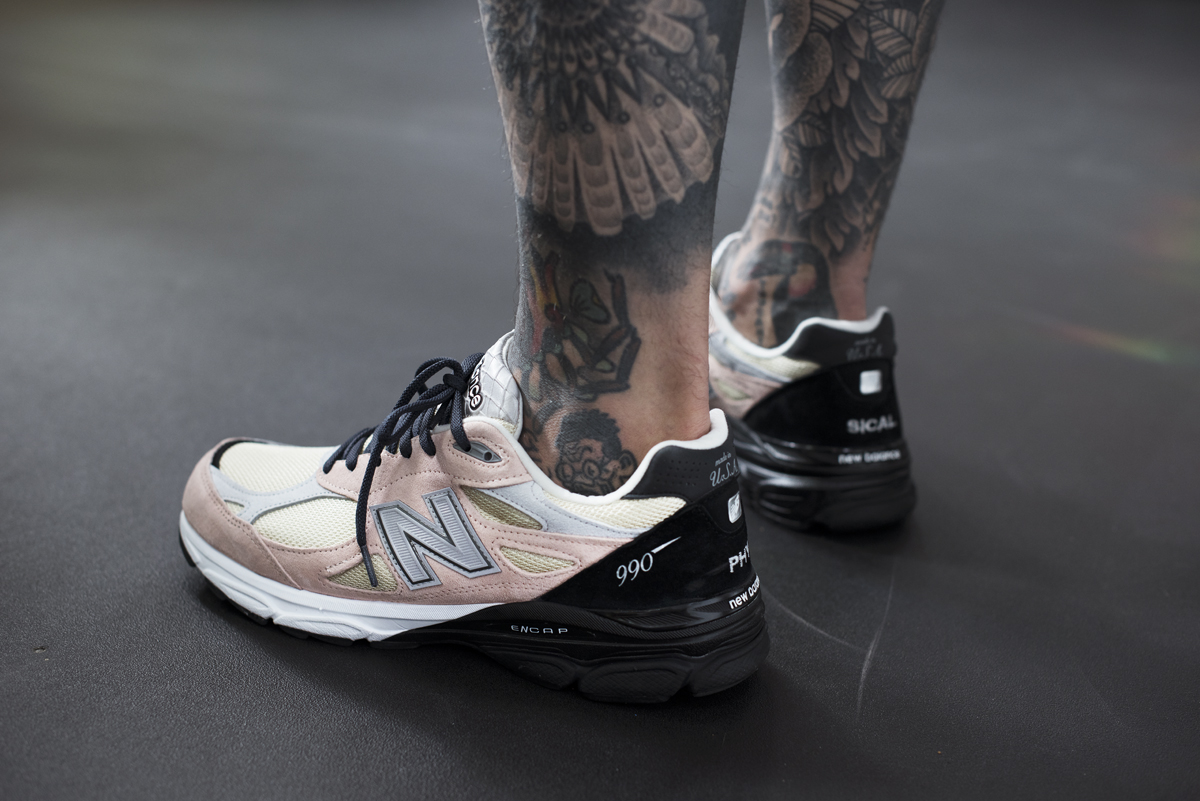
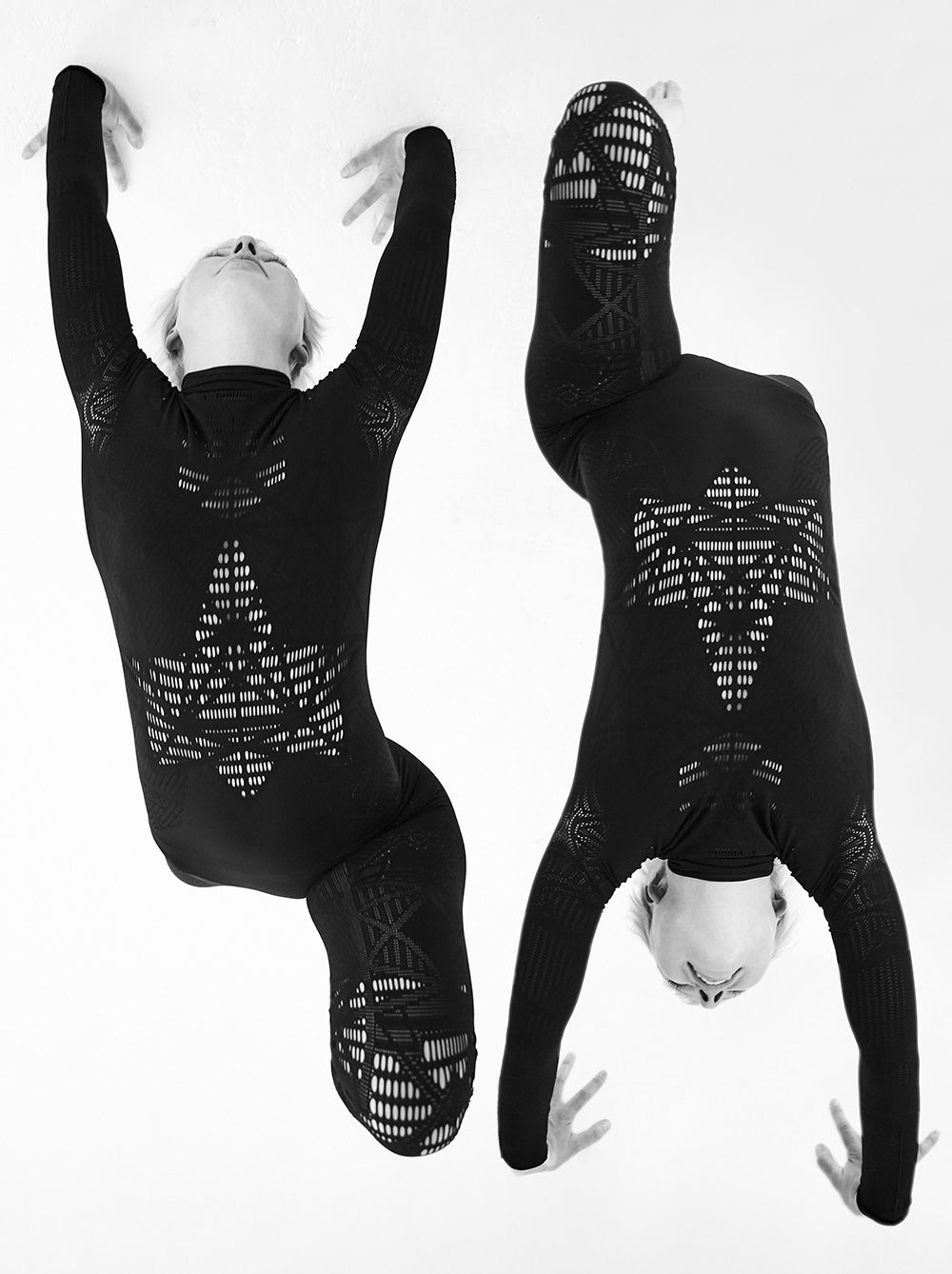
As possibly the first, and certainly the most obvious, canvas upon which human differences can be written and read, skin has been a topic of continuous interest in anthropology and related disciplines from the earliest descriptions of exotic people to postmodern theorizing about the body in contemporary society.
Skin, as a visible way of defining individual identity and cultural difference, is not only a highly elaborated preoccupation in many cultures; it is also the subject of wide ranging and evolving scholarly discourse in the humanities and social sciences.
Although my focus is mainly on the anthropological literature, it is impossible to ignore work in other fields. Today, archaeologists and historians are rewriting the history of the body using evidence from newly discovered ancient bodies, artworks, and texts.
Discussions of contemporary “body work” merge the perspectives of anthropology, sociology, psychology, cultural studies, philosophy, and gender studies… each discipline mapping onto the body its shifting theoretical preoccupations.Check out this silent film from 1926 that takes us “through the basic physiology of the human skin, combining anatomical education and basic healthcare advice. We see the epidermis and its replacement, the structure of the underlying dermis, nails, sweat glands and hair follicles.”
The ‘Skin’ exhibition was discovered by our editor Adeena Mey.
-
MESRINE Opens on Friday in New York and Los Angeles.
Watching MESRINE a few months ago in Switzerland, I intuitively thought: This film is indisputably driving from the French cinema, however its core is definitely built with American tools. Pretty bad movie, but entertaining and featuring a great cast of actors. For those who are tired of the French “Nouvelle Vague” legacy, go for the French “Nouvelle Hollywood”! Opening on Friday in New York and Los Angeles.
Directed by Jean-François Richet; written by Abdel Raouf Dafri, based on the novel “L’Instinct de Mort” by Jacques Mesrine; director of photography, Robert Gantz; edited by Bill Pankow; music by Marco Beltrami; production designer, Émile Ghigo; costumes by Virginie Montel; produced by Thomas Langmann; released by Music Box Films.
-
violence
Violence can be disapproved from a moral point of view, but let’s face it, the real, ultimate truth about violence was revealed once for all in Starship Troopers.
Dizzy: My mother always told me that violence doesn’t solve anything.
Jean Rasczak: Really? I wonder what the city founders of Hiroshima would have to say about that. [to Carmen] You.
Carmen: They wouldn’t say anything. Hiroshima was destroyed.
Jean Rasczak: Correct. Violence has resolved more conflicts than anything else. The contrary opinion that violence doesn’t solve anything is merely wishful thinking at its worst.
-
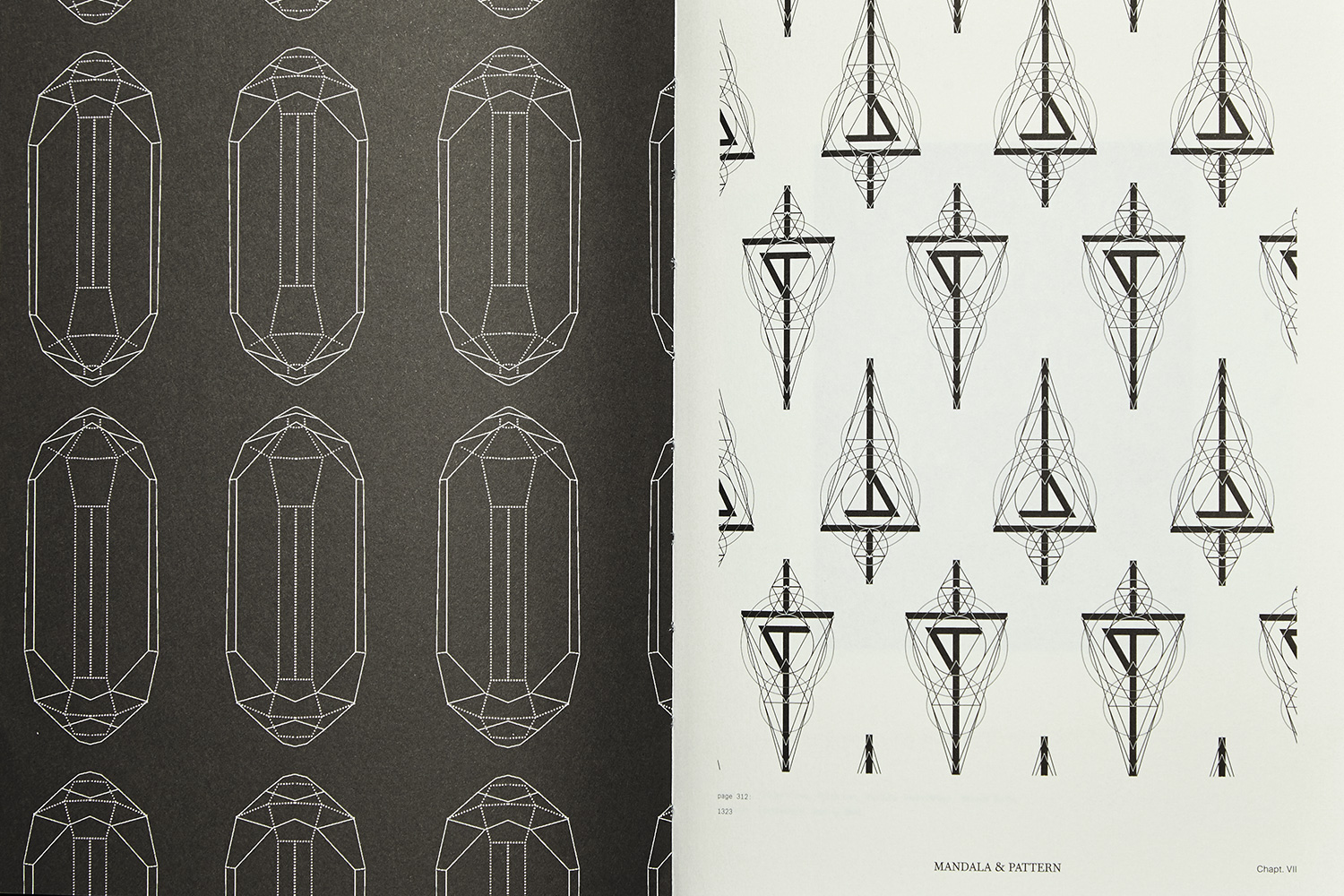
TRI▲NGLE for BLACK MATERIAL by Onur Senturk
TRIANGLE was created for the book Black Material which showcases Robert Knoke’s artwork. Curator Jens Karlson asked Onur Senturk to make a short animation and to use Robert Knoke’s black and white artwork as basis for work.
TRI▲NGLE from Onur Senturk on Vimeo.
-
Yves Saint Laurent “No Way Back” by Ari Marcopoulos
-
jockey full of bourbon
Tom Waits’ best song in Jim Jarmusch’s best movie. Pure love.
-
The Entrance Band, Lookout!
Is it just me, or is there a touch of Thomas Hooper’s influence on this video by The Entrance Band? (Not to mention Kenneth Anger…).