-
Serge Lutens – INOUI by Shiseido videos
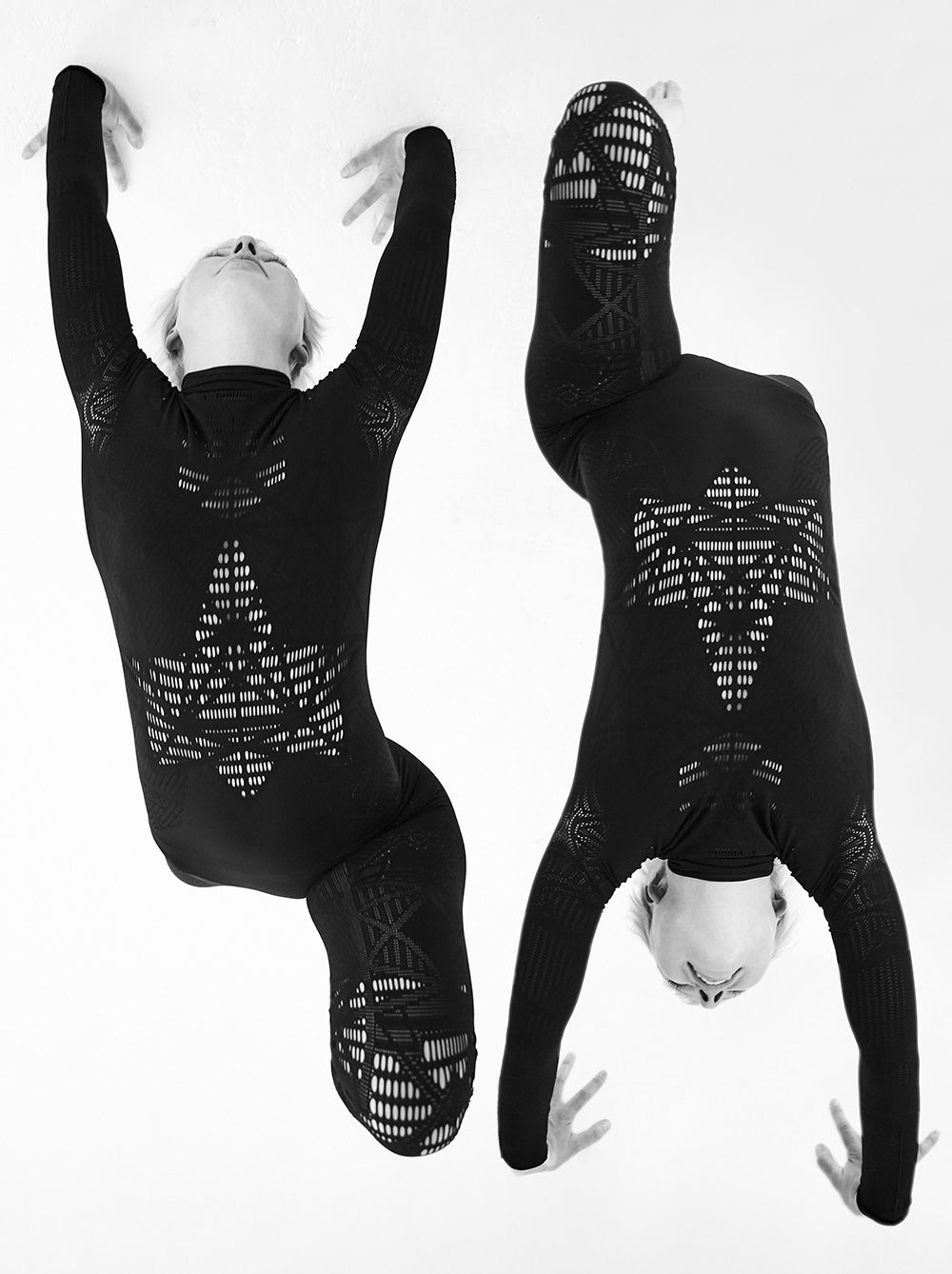
Serge Lutens’ incredibly beautiful, elegant and equally surreal cosmetic adverts shown in Japan in the 1980s.
-
Sacred Ink by Cedric Arnold
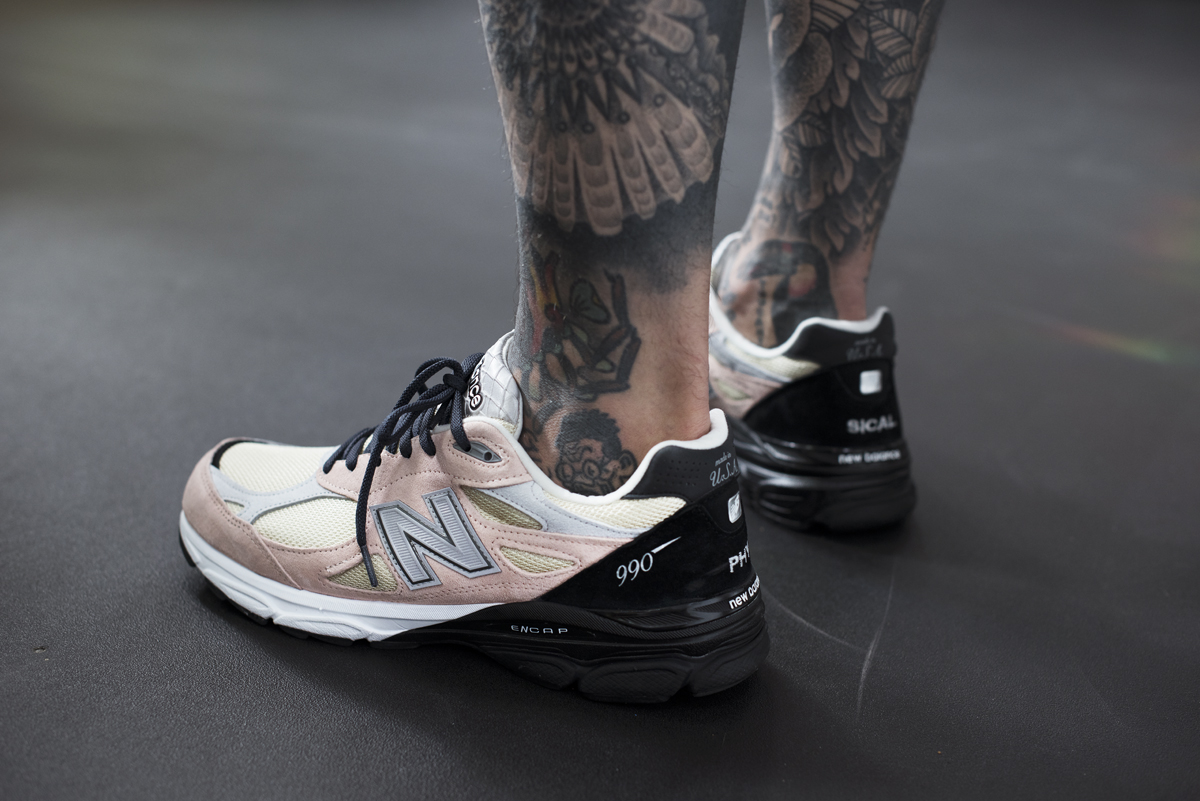
Working in Bangkok for the last ten years British/French Photographer Cedric Arnold explored the ancient Thai tattoo practice of Yantra in this incredible series called Sacred Ink.
“A body, used as a canvas, every inch of skin filled with sacred text and figures of mythical creatures, all forming a protective shield. A boxer, a monk, a construction worker, a policeman, a soldier, a taxi driver, a shipyard worker, a shaman, a tattoo master; men, women, and their inked protection from evil spirits and bad luck. Enter the world of Thailand’s spiritual “Yantra” tattoo tradition.”
Have a look at some more from this beautiful series here
-
Tantra Song: Tantric Painting from Rajasthan
Striking in their resemblance to the likes of Kazimir Malevich and Paul Klee these images actually originate from 17th century paintings from the tantrikas of India.
French poet Franck Andre Jamme discovered these paintings while looking through the catalogues of a Parisian gallery in 1970. Becoming so fascinated with these intensely beautiful images he traveled to India to try and discover more. When there he experienced a deadly bus crash in Rajasthan leaving him in and out of comas and being sent back to Paris. After a long recovery Jammes’ fascination took him back to India. He gained the trust of the tantrikas so he could carry out his exploration into finding out more about these paintings. Hindu devotees would carry out this pictorial tradition which is thought to have dated back to the 1600s. On his second visit he met a soothsayer who told him he had paid sufficient tribute to the goddess Shakti in his convalesce. He was told that as long as revisited the tantrikas alone or with a loved one he could enter the highly private communities of adepts who make and use these pictures for their spiritual practice.
These stunning paintings abstract key symbols of tantric metaphysics and cosmogony. While they do invoke the symbolic cosmology of the Hindu Tantra these incredibly contemporary and utterly anonymous drawings are unlike the more common and complex parts of Tantric art. The bindu, represents a dot that symbolises the undifferentiated absolute, that negatives space of the shymya, which expresses the concept of the absolute void of the supreme deity.
Using handmade scavenged paper as a canvas, the juxtaposition of each element compound the images with a rich and complex humanity. With the paper already left with scattered hand-writing and water stains the Hindu devotees go on to create the strong and simple coloured forms on top. Having been constructed with an honesty which could not have been made by the abstract artists of more recent years, unknowingly these paintings have foreseen the future of early 20th century abstract art. From the Bauhaus and Russian Constructivism to Minimalism and as well as with much painting today these artworks group together concepts and the aesthetics of eastern and western art along with the old and contemporary on an uncanny level.
All of these wonderful images have been made into a book where you can buy here
-
Horiyoshi III exhibition at Somerset House
Kokoro: The Art of Horiyoshi III
Courtyard Rooms, South Wing, Somerset House, London
Horiyoshi III, the internationally renowned tattoo artist currently has his first exhibition in London at the esteemed Somerset House.
Horiyoshi belongs to a royal line of horishi tattoo artists: those specialising in the traditional full-body tattoo called Irezumi. This exhibition studies his paintings on silk as well as displaying tattoo instruments and paint brushes.
Kokoro means ‘heart‘ and ‘feeling‘ in Japanese and through the paintings exhibited Horiyoshi III preserves traditional Japanese culture and mythology through incredibly beautiful silk paintings. Each painting shows typical Japanese images such as dragons, koi’s and white phoenix’s, but each one is depicted is varying sensitivity, intricacy and harshness depending on the story told. The diverse nature of each painting gives the exhibition an eclectic feel considering that most of the paintings are all the same size and repetitively placed beside one another. The varying brush strokes and colours used also add to this fantastic effect.
Having “vowed to never be lazy until the day I die”, he still tattoos six days a week after thirty years of practice. You can see a video of Horiyoshi III at work here which The Guardian recently made.
After meeting Ed Hardy (the exhibition opens with a quote from Hardy about Horiyoshi’s pioneering impact on tattoo culture and history) and becoming close friends, Horiyoshi started to use the electric needle alongside using traditional techniques and pioneered a new form of Japanese tattooing.
The exhibition is free and runs from now until until the 1st of June, it is open every day from 10.00-18.00. More information can be found here
-
Indian Tattoos
Photos I took of some very beautiful folk tattoos on a recent trip to South West India.
All images by Reba Maybury
-
Tipu’s Tiger
Tipu’s tiger currently resides in London’s V and A museum where I went to visit it last week. This strange wooden object was the handmade toy for Tipu Sultan the 18th century ruler of the Kingdom of Mysore in India (which today is in the Indian state of Karnataka). Made in 1790 this mechanical toy shows a tiger savaging a life sized British man. The mechanics of the toy lets out groans from the English man and makes his arm move. The tiger lets out grunts. Additionally a flap on the side of the tiger turns up to reveal a keyboard of a small pipe organ with 18 notes.
This toy represents Tipu’s hostility towards the British of the East India Company, a commercial enterprise with its own armies and civil administration, which during the late 18th century was engaged in extending British dominion in India.
Tipu also used the image of the tiger throughout his emblem, applying tiger motifs on the uniforms of his soldiers, on weapons and decorated his palace with them. His throne was supposed to have rested upon a similar life sized tiger covered in gold.
Tipu was brought up with extremely anti British feelings. Murals throughout his palace and the streets of his City Seringapatam were commissioned by him of European but mainly British men being attacked, executed, tortured and humiliated by humans, tigers and elephants.
-
Donate to the crisis in Japan (collaboration with Chad Koeplinger)


All proceeds from this shirt will be donated to the relief efforts in Japan: CLICK HERE for more info.